Hormonal Anxiety: PMS, PCOS & Mood Changes
24th Feb, 2026 | By: Shreya N Bharadwaj
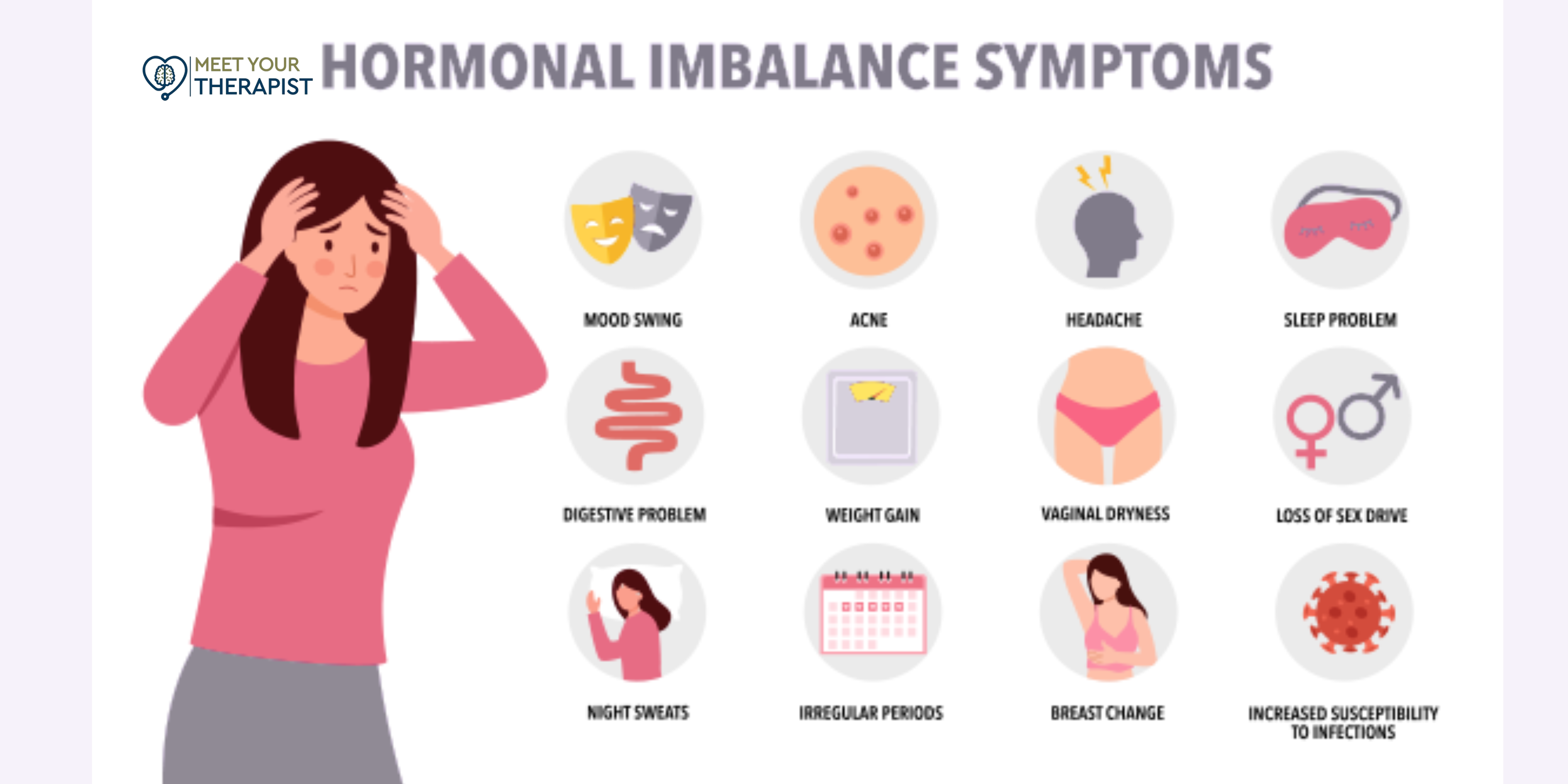
Have you ever felt suddenly overwhelmed, irritable, teary, or unusually anxious and then a few days later realised your period was about to begin? Or noticed that your mood shifts feel cyclical, almost predictable, yet completely out of your control?
For many women and menstruating individuals, anxiety isn’t just psychological. It’s hormonal. And yet, hormonal anxiety is often dismissed as “mood swings,” “overreacting,” or simply “that time of the month.” But what if those emotional shifts are not a personality flaw, but a biological rhythm?
In India, conditions like Premenstrual Syndrome (PMS) and Polycystic Ovary Syndrome (PCOS) are increasingly common. Research suggests that up to 80% of menstruating individuals experience some form of PMS symptoms, and PCOS affects approximately 1 in 5 women in India. Alongside physical symptoms, mood disturbances, including anxiety and depression, are frequently reported.
Hormones do not just regulate reproduction. They influence the brain, emotions, stress response, sleep, and even how we interpret the world around us. This blog explores how PMS and PCOS affect mental health, and how we can respond with understanding rather than shame.
Understanding PMS: When Mood Changes Feel Cyclical
Premenstrual Syndrome (PMS) refers to physical and emotional symptoms that occur in the luteal phase typically 5–10 days before menstruation.
Common emotional symptoms include:
- Irritability
- Tearfulness
- Heightened sensitivity
- Anxiety or restlessness
- Low mood
- Fatigue
- Brain fog
For some individuals, symptoms are mild. For others, they are disruptive. A more severe form called Premenstrual Dysphoric Disorder (PMDD) can significantly impair functioning, with intense mood swings, depression, or anxiety.
Why Does This Happen?
After ovulation, levels of estrogen and progesterone fluctuate. These hormonal shifts influence neurotransmitters like serotonin, the chemical linked to mood regulation. When serotonin levels dip, anxiety and sadness can rise. It’s not “just in your head.” It’s in your neurochemistry.
PCOS and Mental Health: More Than a Reproductive Condition
Polycystic Ovary Syndrome (PCOS) is a hormonal disorder characterised by irregular periods, elevated androgens (male hormones), and metabolic concerns. But beyond physical symptoms like weight changes, acne, or hair growth, many individuals with PCOS report:
- Chronic anxiety
- Depressive symptoms
- Body image distress
- Emotional exhaustion
- Increased stress sensitivity
Studies suggest that women with PCOS are significantly more likely to experience anxiety and depression compared to those without the condition.
PCOS involves hormonal imbalance, insulin resistance, and chronic inflammation, all of which can influence brain chemistry and stress regulation. Add societal pressure around appearance and fertility, and the emotional burden intensifies. PCOS is not only an endocrine condition. It is a biopsychosocial experience.
Book Your Consultation TodayHow Hormonal Anxiety Feels
Hormonal anxiety often has a distinct pattern:
- It appears suddenly.
- It feels intense but vague.
- Small triggers feel disproportionately big.
- There is a sense of losing emotional control.
- It improves after menstruation begins (in PMS-related cases).
Many individuals describe it as:
- “I know I’m reacting strongly, but I can’t stop it.”
- “I don’t feel like myself.”
- “Everything feels heavier.”
This is where self-blame often enters. But cycles are not character flaws.
The Brain-Hormone Connection
Hormones like estrogen and progesterone interact directly with:
- The amygdala (fear centre)
- The prefrontal cortex (decision-making and impulse control)
- The hypothalamic-pituitary-adrenal (HPA) axis (stress response system)
Fluctuations can temporarily alter how we process stress and regulate emotion. This does not mean hormones “cause” anxiety disorders. But they can amplify vulnerability, especially in individuals already prone to anxiety or depression.
Practical Ways to Support Yourself:
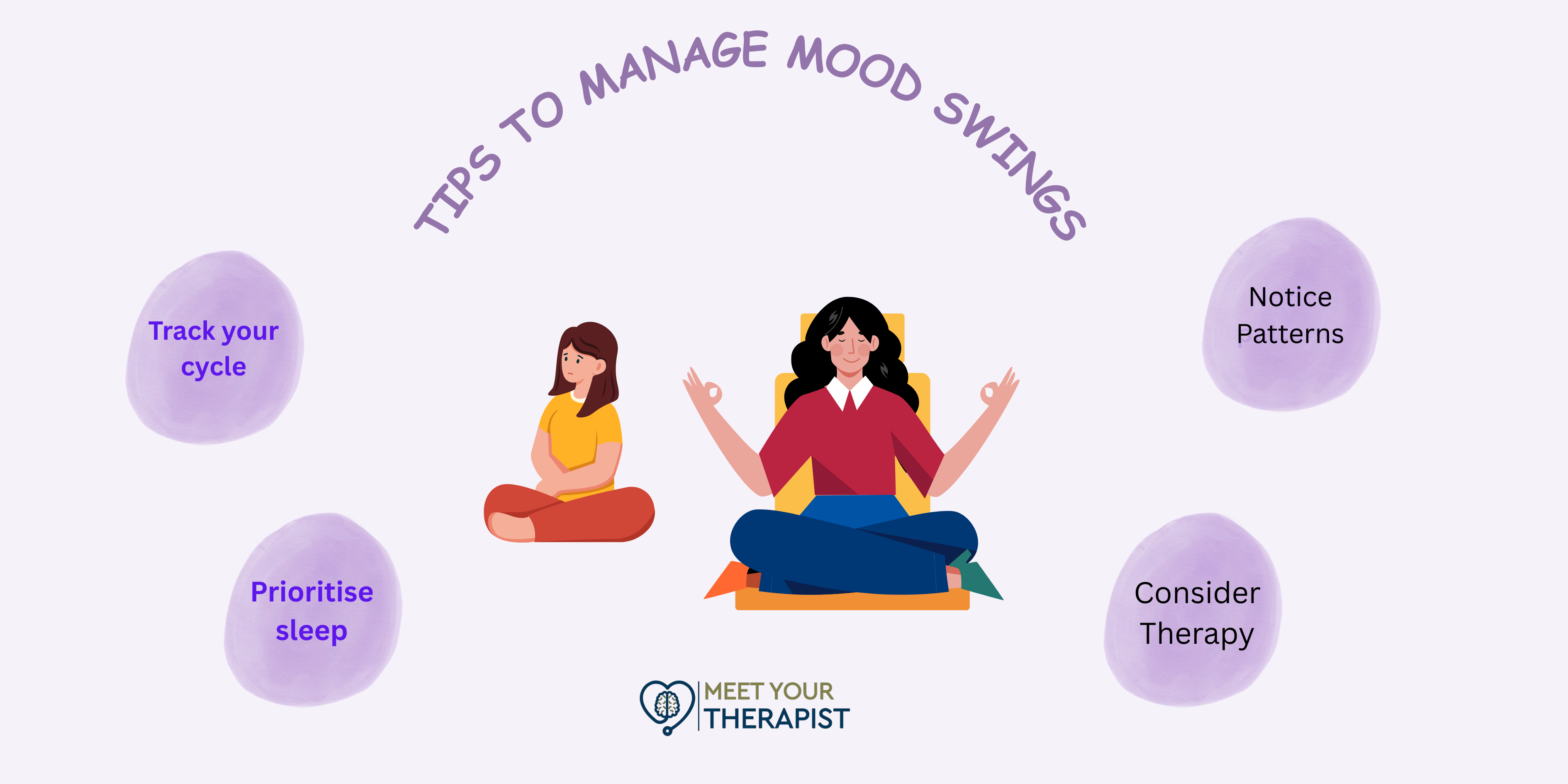
- Track your cycle :Notice patterns. Awareness reduces confusion.
- Adjust expectations during vulnerable phases: Plan lighter tasks if possible.
- Prioritise sleep: Hormonal shifts and sleep deprivation worsen mood.
- Balance blood sugar:Regular meals can stabilise energy and mood.
- Limit caffeine before menstruation:It may intensify anxiety.
- Engage in gentle movement:Yoga, walking, or stretching support regulation.
- Seek medical guidance:Hormonal treatment, SSRIs (for PMDD), or lifestyle changes may help.
- Consider therapy :Especially if anxiety feels persistent or overwhelming.
If you have PCOS, working with a gynecologist, endocrinologist, and mental health professional together can make a significant difference. Mental health care is not separate from hormonal care.
How Partners and Families Can Help
Support begins with belief. Instead of saying:
- “You’re overreacting.”
- “It’s just hormones.”
- “Calm down.”
Try saying:
- “I can see this feels intense right now.”
- “How can I support you?”
- “Let’s figure this out together.”
Validation reduces emotional isolation. Hormonal anxiety is real, even if it fluctuates.
To the Women Reading This
If your mood feels like it shifts with your cycle…If you dread certain days every month… If you feel embarrassed about crying easily or snapping quickly…You are not dramatic. You are not unstable…..You are not weak. You are navigating a body that moves in rhythms. Instead of fighting those rhythms, try learning them.
Some reminders:
- Track patterns, not just emotions.
- Speak kindly to yourself during vulnerable phases.
- Rest without guilt.
- Seek medical advice when symptoms disrupt functioning.
- You deserve support, not dismissal.